
Subscribe for handpicked DIY projects, exclusive tips, and giveaways.
We care about your data in our privacy policy.



 Garden


 Camping & RV

 Farming
 Reviews

 Lights
 Pool
Pool

 Systems
 Attic
Attic

 Generators


Recent Posts
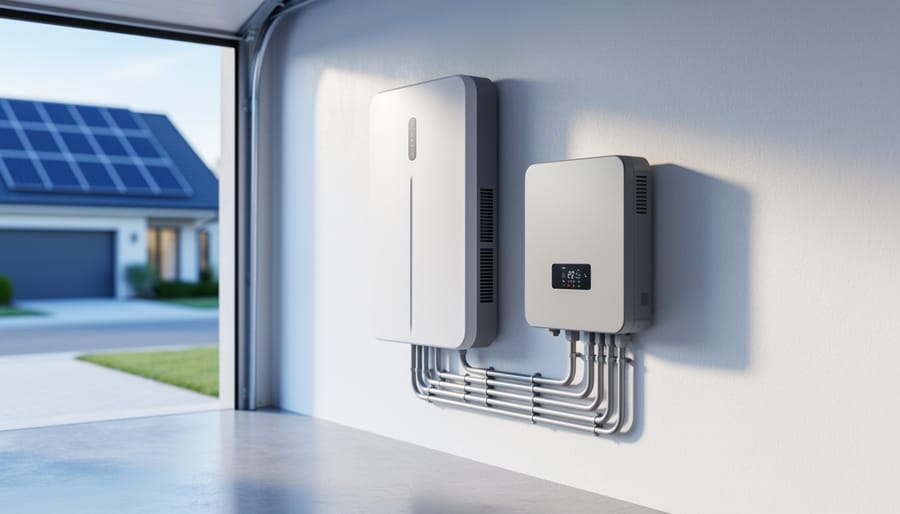
Calculate your required solar battery capacity by multiplying your daily energy consumption in kilowatt-hours by the number of days of autonomy you want. If your home uses 30 kWh daily and you want three days of backup power, you need 90 kWh of usable storage capacity. Remember that most batteries shouldn’t discharge below 20-50% to…
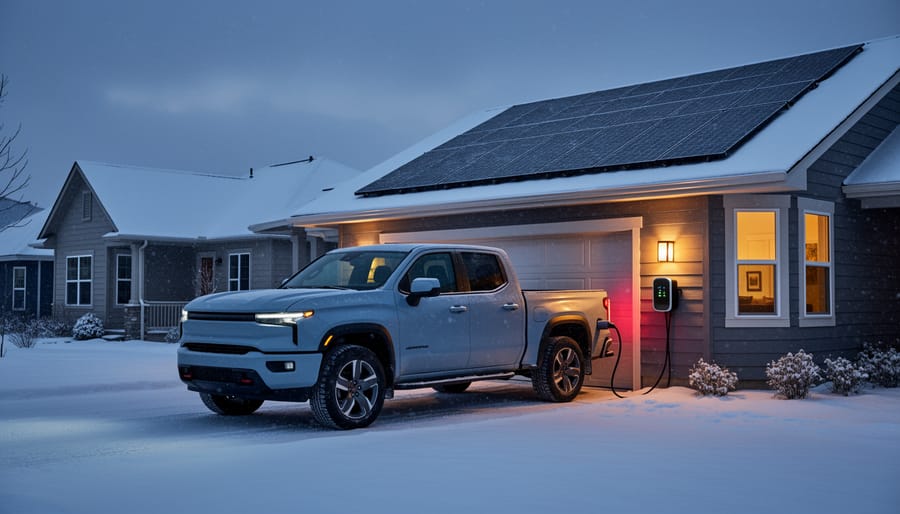
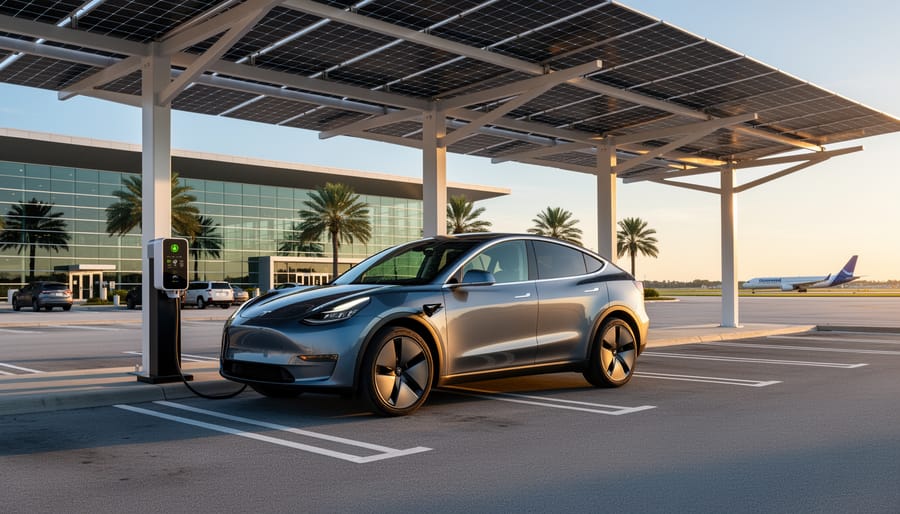
Picture this: A winter storm knocks out power to your neighborhood for three days. While your neighbors huddle around candles, you’re running your refrigerator, keeping phones charged, and maintaining heat—all powered by the electric vehicle sitting in your driveway. This isn’t science fiction. It’s happening right now in garages across the country. Your EV isn’t…
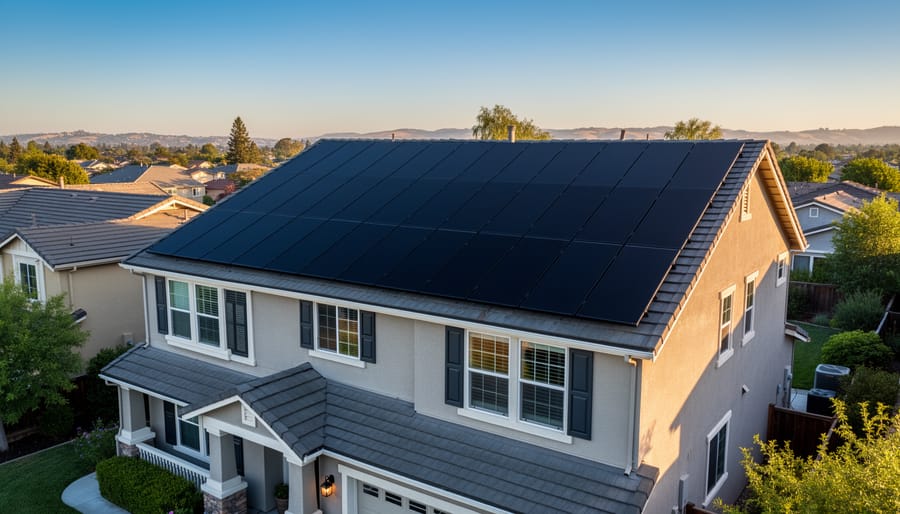
An 8 kW solar system typically costs between $16,000 and $24,000 before incentives, with most homeowners paying around $20,000 for professional installation. After claiming the 30% federal tax credit, your actual out-of-pocket expense drops to $11,200-$16,800. That’s real money we’re talking about, and I’ve helped dozens of DIY solar enthusiasts navigate these numbers to make…
Position solar post lamps 15-20 feet apart along your driveway perimeter to create consistent illumination without dark gaps between fixtures. This spacing works for most residential driveways and prevents the frustrating experience of adequate lighting at the posts but pitch darkness in between—a mistake I made on my first installation until a neighbor pointed out…
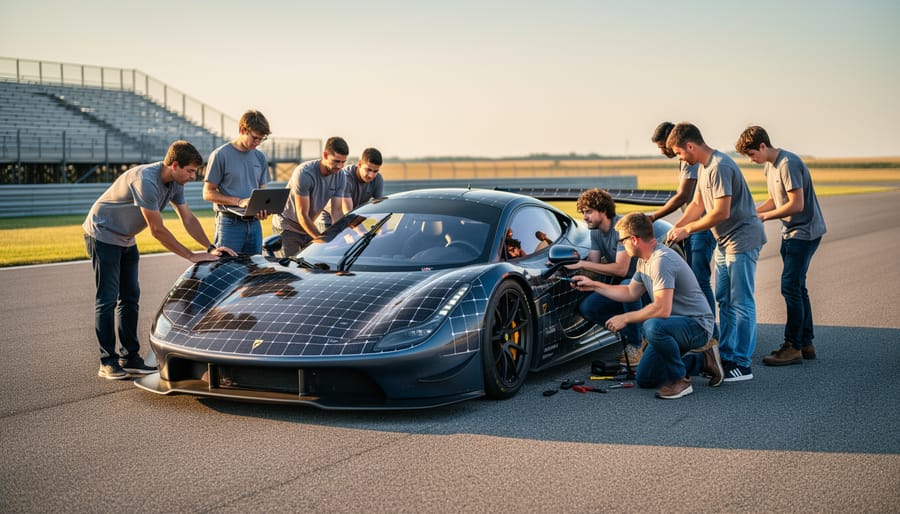
The University of Minnesota Solar Vehicle Project represents one of collegiate engineering’s most ambitious renewable energy challenges, where student teams design, build, and race solar-powered cars across thousands of miles. Since 1990, UMN’s solar racing team has competed in events like the American Solar Challenge and Formula Sun Grand Prix, transforming theoretical engineering concepts into…
Check your RV’s roof before buying anything—that mysterious port up there labeled “solar ready” isn’t actually ready for solar at all. I learned this the hard way during my first camping season when I assumed those two wires meant I could just plug in panels and call it done. Zamp’s solar ready system solves a…